Why Students Shouldn’t Swab for Germs in School

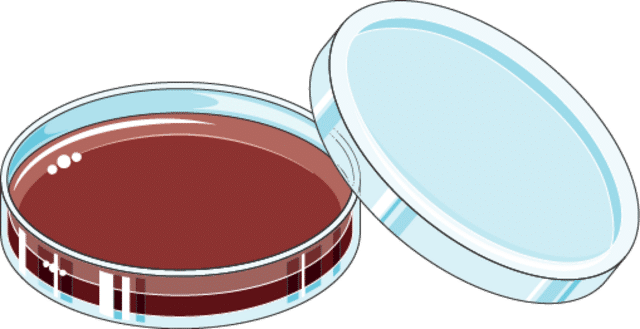
Many high school science programs, textbooks, curriculum and educators have had exposure to a form of germ gathering activities in the biology program. This typically involved having students gather samples of ‘germs’ from communal locations in the school including door handles, telephones, water fountains, stairwell handrails and other commonly touched pieces or furniture or fixtures in the building. The students would then transfer the microbes to an agar plate and place it in an incubator at the perfect condictions to grow colonies of bacteria or viruses using the plate media to accelerate this reproduction. However there are some serious health concerns involved today with these types of activities and we must be vigilant not to allow these activities to occur in our schools due to an abundace of caution and to reduce the potential risks and harm to ourselves in the quest for scientific knowledge and understanding.
Here are some recent articles and links about biohazards in the K12 school system. Most current Chemical Hygiene Plans in school systems have removed these biohazardous activities since there is a higher risk associated with the unknown variables such as Rotavirus, MRSA, Listeria, Legionella, SARS-COVID, RSC, and other potential bacterial and viral strains found around the school. I included a table below that identify common microbes and their negative impact on us. Be aware that the regulations surrounding Blood Borne Pathogens (BBP) are involved since there is no definitive way to tell what microbes are being tested and captured during the school swabbing…….. This is much more serious today than in years past and we have an elevated sense of awareness about biohazards in our everyday lives. It is always better to be cautious, safer and use alternative methods to demonstrate these concepts.
ASM Guidelines for Biosafety in Teaching Laboratories | ASM.org
Position Statements: The Use of Human Body Fluids and Tissue Products in Biology Teaching (National Association of Biology Teachers)
| Microbe | Environmental source | Disease (symptoms) |
|---|---|---|
| Aspergillus fumigatus | Soil, decaying organic matter | Pulmonary aspergillosis (Fatigue, cough, breathlessness) |
| Bacillus cereus | Soil, foodstuff | Gastroenteritis (Diarrhea, nausea, vomiting) |
| Campylobacter species | Foodstuff, surfaces | Gastroenteritis (Diarrhea, nausea, vomiting) |
| Clostridium tetani | Soil | Tetanus (Severe muscle spasms, difficulty swallowing, “lockjaw”) |
| Escherichia coli (O157:H7 and other shigatoxigenic strains) | Foodstuff, surfaces | Haemolytic uremic syndrome, gastroenteritis (Diarrhea, abdominal cramps) |
| Legionella species | Water, soil | Legionnaires’ disease (Pneumonia) |
| Listeria monocytogenes | Foodstuff, surfaces | Listeriosis (Gastroenteritis, meningitis, spontaneous abortions, neonatal sepsis) |
| Rotavirus | Surfaces | Gastroenteritis (Diarrhea, nausea, vomiting) |
| Salmonella species | Foodstuff, surfaces | Gastroenteritis (Diarrhea, nausea, vomiting) |
| Staphylococcus aureus | Skin, surfaces | Skin and soft tissue infections, meningitis (Fever, skin boils, rash) |
If samples collected from the environment are cultured, RG2 microbes may grow to a number that is sufficient to cause infection or disease. Indeed, procedures commonly used in the classroom can unintentionally produce a culture of RG2 microbes and contaminate the room, the HVAC system and potentially the school population. Very few schools in K12 have the necessary biohazardous equipment and procedures in place to handle these microbes safely. Again, these standard operationg procedures should be part of your Chemical Hygiene Plan and your local Chemical Hygiene Officer should be included in the discussion if you are planning to conduct any activity involving potential pathogens, germs, microbes and such on school property or at home and transporting the samples to the school for observation.
While many science teachers have been conducting these activities for years, it is time to stop doing these investigations due to the inherent risks associated with microbes. Hope that this helps you and your conversation with your biology teacher. (Same logical reason why we don’t let students handle highly toxic chemicals, radioactive samples or high voltage electrical sources.) There are plenty of curated simulations or videos which can be used to demonstrate the culture growth without performing the activity in a hands-on manner. I welcome your comments and look forward to helping make your school safer, together.
Thanks much and stay safer,
James Palcik, CHO, OCT