Why the Safest Science Labs Create the Boldest Thinkers

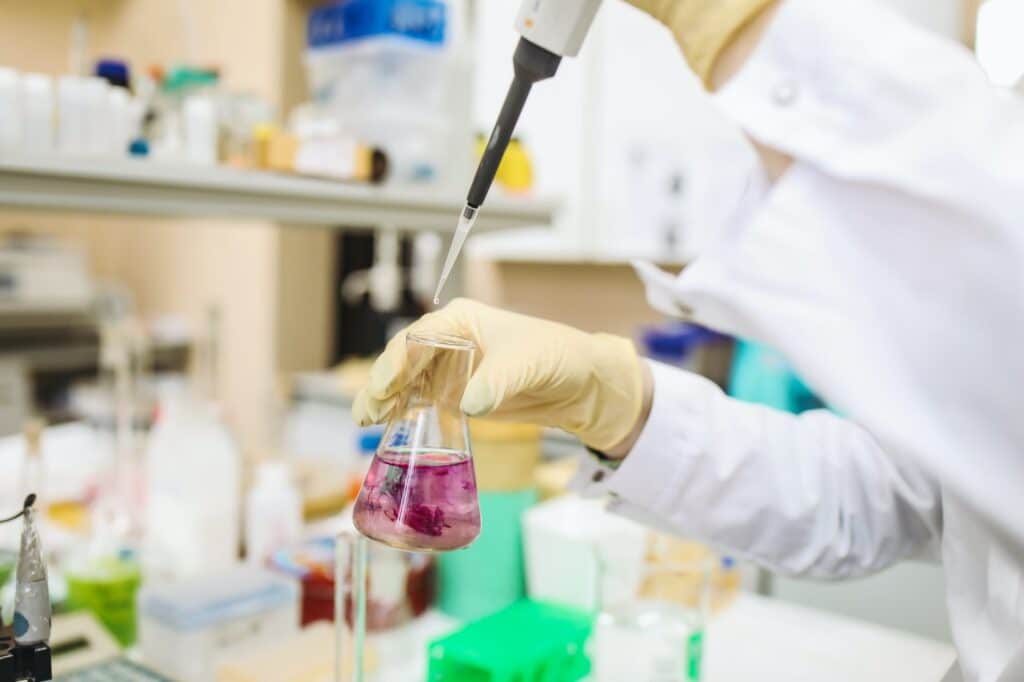
Walk into a middle school science lab, and you can feel the energy of curiosity. Beakers bubble, conversations hum, and ideas collide like particles in motion. But then, in a blink, curiosity meets chaos: a student leans too close, a reaction goes awry, and suddenly the air fills with an acrid smell.
In that moment, the difference between a teachable mistake and a life-changing injury depends on one thing: whether safety has been built into the culture, not just the curriculum.
Safety Isn’t Rules; It’s Psychological Safety Made Physical
We often talk about psychological safety in classrooms, creating an environment where students feel free to take intellectual risks. But in science education, there’s another kind of safety that comes first: physical safety.
A fume hood isn’t just a piece of equipment; it’s a promise.
It says to students: We want you to explore boldly, but we’ve designed this space to protect you when experiments take an unexpected turn.
According to OSHA 29 CFR 1910.1450 and ANSI/AIHA Z9.5 standards, fume hoods must provide adequate airflow, be tested regularly, and remain clear of clutter. In other words, they must be ready when real learning happens in the real world: messy, unpredictable, and profoundly human.
The Hidden Barrier to Safety: Complacency
The issue isn’t that educators don’t care about safety. It’s that it’s easy to mistake presence for preparedness.
Too often, fume hoods are blocked by boxes, used for storage, or left untested for months. The quiet hum that should be drawing away harmful vapors instead becomes silent, until the moment it’s needed most.
As James Palcik , NRCC-certified Chemical Hygiene Officer and Co-Founder of Safer STEM , explains:
“A fume hood isn’t effective because it exists; it’s effective because it works. And it only works when it’s used, tested, and respected as part of the learning process. Safety isn’t about reacting when something goes wrong; it’s about building systems that prevent harm in the first place.”
This isn’t a story about compliance; it’s a story about culture.
When safety becomes background noise, it stops being protection.
The Systems That Signal We Care
At Safer STEM , the focus isn’t on fear; it’s on foresight.
Engineering controls like fume hoods, emergency showers, and eye wash stations aren’t accessories; they’re the architecture of safety literacy.
Through its Virtual Chemical Hygiene Officer Program and compliance inspections , Safer STEM helps schools ensure these systems:
- Are properly installed and airflow-tested regularly
- Remain clear of obstructions and free of storage
- Model consistency and care through routine checks
When students see that safety is built into their environment, they learn that care isn’t optional; it’s operational.
Culture Is Built in the Small Acts
Culture doesn’t grow from slogans; it grows from repetition.
Every airflow test, every cleared fume hood, every safety check sends a powerful message:
We care enough to prepare.
Students notice. They internalize it. And when they carry that mindset into college labs or the workforce, they don’t just know how to experiment; they know how to do it responsibly.
That’s not just safer teaching.
That’s better leadership.
At Safer STEM , the mission is simple:
To turn compliance into confidence.
To make safety not a checkbox, but a cornerstone of innovation.
Because discovery shouldn’t come at the cost of well-being.
And the future we want for our students starts with the environment we build for them today.
Contact Safer STEM for a complimentary science safety audit, Chemical Hygiene Plan review, and safety-aligned training tools.
Schedule a Free Consultation
Call Our Safety Specialists: 833-327-2337
Email Us: support@saferstem.com
#ScienceSafety #STEMEducation #SchoolLeadership #SafetyCulture #SaferSTEM #PsychologicalSafety #EducationLeadership #ScienceTeaching #STEMLabs #TeacherMindset