Why Facilities Directors Are Key to K–12 Lab Safety

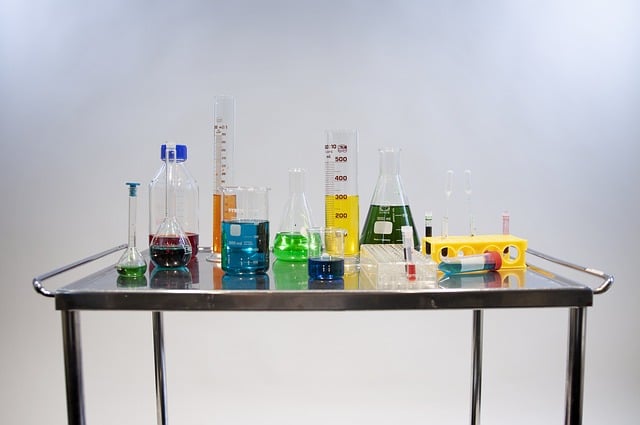
K-12 school district Directors of Facilities (Buildings and Grounds) play a critical role in ensuring the safety and compliance of science laboratories in K-12 educational settings. While much of the focus on lab safety falls on science teachers and administrators, the physical infrastructure, ventilation, hazardous materials management, and emergency preparedness all fall under the purview of facilities leadership. Understanding and implementing the requirements of OSHA 1910.1450, OSHA 1910.1200, and relevant NFPA regulations is essential to maintaining a safer instructional environment for students and staff.
Key Regulatory Considerations
- OSHA 1910.1450 – Occupational Exposure to Hazardous Chemicals in Laboratories
- Requires a Chemical Hygiene Plan (CHP) that outlines procedures to protect employees from chemical hazards.
- Facilities directors must ensure that ventilation systems , such as fume hoods and general exhaust, are properly installed, regularly inspected, and fully operational.
- Emergency safety showers and eyewash stations should meet ANSI Z358.1-2014 standards and be tested regularly.
- OSHA 1910.1200 – Hazard Communication Standard (HAZCOM)
- Ensures proper labeling and documentation of hazardous chemicals in compliance with the Globally Harmonized System (GHS).
- Science labs must have updated Safety Data Sheets (SDSs) accessible to all employees.
- Facilities teams should coordinate with science staff to ensure proper storage and disposal of hazardous chemicals.
- NFPA Regulations – Fire and Life Safety Codes
- NFPA 45 (Standard on Fire Protection for Laboratories Using Chemicals) mandates proper storage, handling, and fire suppression systems for flammable substances.
- NFPA 101 (Life Safety Code) dictates occupancy loads, emergency egress, and fire protection requirements in laboratories.
- Fire suppression systems , including sprinklers and chemical fire extinguishers, must be maintained and inspected per NFPA guidelines.
Critical Responsibilities for Facilities Directors
- Infrastructure Maintenance and Ventilation
- Ensure that fume hoods are operational and that airflow rates meet required standards.
- Regularly inspect and maintain emergency systems, including fire alarms, sprinklers, and laboratory safety showers.
- Collaborate with science staff to address any concerns related to air quality and HVAC system efficiency in lab spaces.
- Chemical Storage and Waste Disposal
- Work with science department chairs and Chemical Hygiene Officers to maintain safe chemical storage that meets OSHA and NFPA standards.
- Establish a routine chemical inventory system to prevent accumulation of outdated or unnecessary hazardous materials.
- Coordinate with licensed hazardous waste disposal companies for proper chemical disposal in compliance with federal and state regulations.
- Emergency Preparedness and Compliance
- Conduct and document annual lab safety inspections in partnership with science department staff.
- Ensure that emergency eyewash stations and showers are tested weekly and meet compliance standards.
- Train custodial and maintenance staff on hazardous material spill response procedures in coordination with science faculty.
Collaboration for a Safer School Environment
Science lab safety is a shared responsibility that requires ongoing collaboration between Directors of Facilities, science teachers, the Chemical Hygiene Officer, Science Supervisor, and building administrators. By staying informed of regulatory requirements and proactively addressing infrastructure and potentially hazardous material concerns, facilities directors can play a key role in preventing accidents and ensuring compliance with OSHA and NFPA standards.
Investing in preventative maintenance, proper ventilation, and emergency preparedness not only enhances safety but also supports high-quality science education in schools. Directors of Facilities should take an active role in developing and enforcing laboratory safety policies to create a secure learning environment for both students and staff. Safer STEM is pleased to help you in evaluating your existing risk management program and can make informed recommendations based on legal safety standards and accepted better professional practices in STEM education. Contact us today to start your journey of increased safety and compliance.